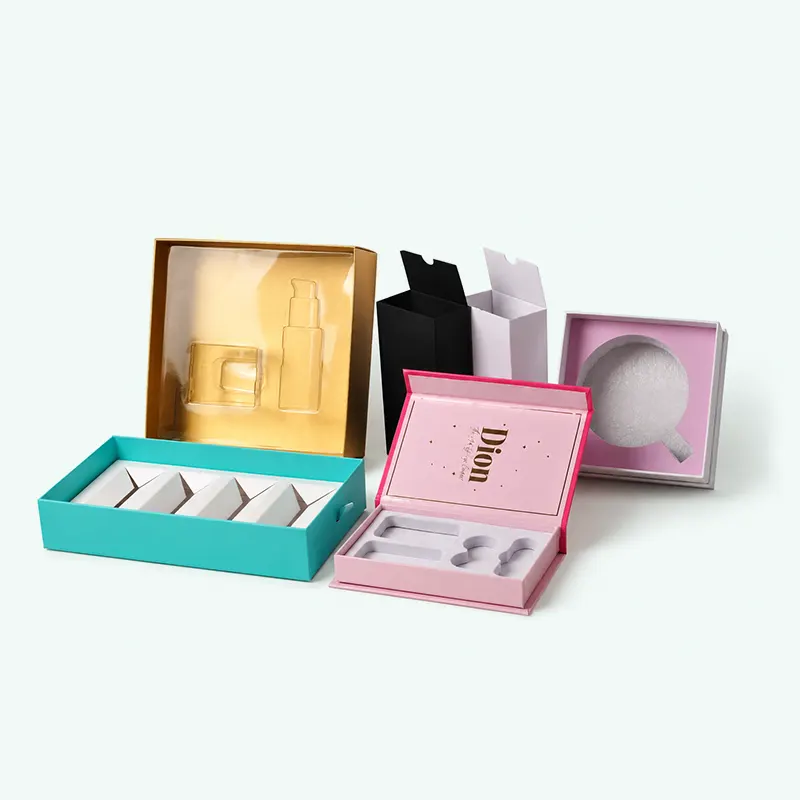

Choosing the right paper packaging material affects far more than appearance. It influences product protection, print quality, shipping efficiency, sustainability, and the way customers experience your brand.
This guide explains the most important material options and shows how to match them with your product, structure, and production requirements.
Start With the Product and Sales Channel
Before comparing paper grades, define how the packaging will be used. A lightweight retail carton, an e-commerce shipping box, and a premium gift package face very different structural demands.
- Consider product weight, dimensions, and fragility.
- Identify whether the package is designed for retail display, shipping, gifting, or all three.
- Confirm storage conditions and expected handling during transport.
Protection and Structural Performance
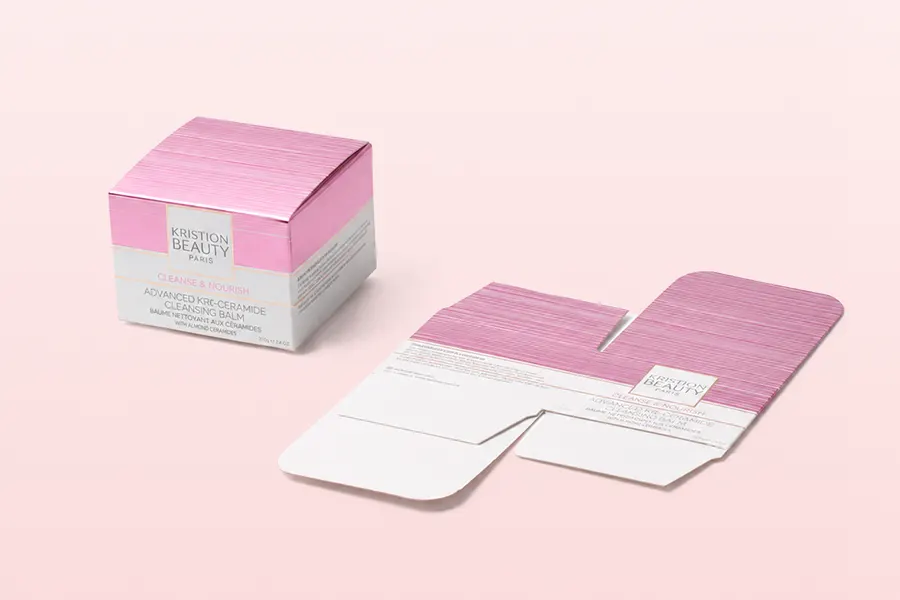
Heavy or fragile products usually require thicker board, reinforcement, or a corrugated structure. For compact cosmetic and personal-care products, folding cartons often provide a better balance of print quality and efficiency.
Compare Common Paper Packaging Materials
Each material has a distinct visual character and performance range. Your supplier should help confirm thickness, grain direction, print compatibility, and any finishing limitations during sampling.
| Material | Best For | Key Character |
|---|---|---|
| SBS paperboard | Cosmetics, food, premium retail | Smooth white surface and strong print reproduction |
| Kraft paper | Natural brands and sustainable positioning | Warm, tactile, uncoated appearance |
| Corrugated board | Shipping and heavier products | Higher cushioning and structural strength |
White Paperboard for Detailed Printing
White paperboard is a dependable choice when accurate brand colors, photography, and clean typography are priorities. It supports offset printing as well as finishes such as foil stamping, embossing, and spot UV.
Kraft Paper for a Natural Brand Direction
Kraft paper communicates a natural, direct material story. Because the brown base affects ink colors, it is important to review printed samples instead of relying only on digital artwork.
A successful material choice balances protection, production feasibility, brand presentation, and the complete landed cost—not one factor in isolation.
Confirm the Material Through Sampling
A physical prototype lets you check board stiffness, fold quality, color, surface finish, and how the product fits inside the final structure. Use the sample stage to document approved materials and production tolerances before mass production.
- Approve the dieline and internal dimensions.
- Review an unprinted structural sample.
- Confirm color and finishing with a printed sample.
- Record the approved specification for production.
Build a Clear Packaging Specification
When requesting a quotation, share the product dimensions, packaging size, preferred material, printing details, surface finishes, and estimated order quantity. A clear brief allows your supplier to recommend suitable alternatives without compromising the project goal.